all search

Email: sales@wsk-sjz.com
Website:www.wsk-sjz.com
Address: No. 6, No.1 Road, Zanhuang County
Economic Development Zone Shijiazhuang,
Hebei 051230
In the OEM field of the big health industry, tablets, hard capsules, and powders are the mainstream solid dosage forms for health product OEM. There is a significant cost gap among the three in terms of raw material and auxiliary material matching, production line technology, equipment investment, packaging consumables, warehousing and logistics, and minimum order threshold. During the OEM project initiation stage, the brand should clarify the cost composition differences of different dosage forms, and be able to make budget planning based on their own order volume, product positioning, and channel model to avoid comprehensive cost increases caused by errors in dosage form selection in the early stage. This article breaks down the production cost differences of three types of dosage forms from five major categories: processing and manufacturing, raw and auxiliary materials, packaging and supporting, warehousing and operation, and order threshold.
1、 Comparison of Core Production and Processing Costs
The processing fee is mainly determined by the complexity of the process flow, investment in automated production lines, process losses, and labor energy consumption. Under the conditions of large-scale mass production, the overall processing cost ranking is as follows: tablet processing cost is low, hard capsules are in the middle, and powder small packaging processing cost is high.
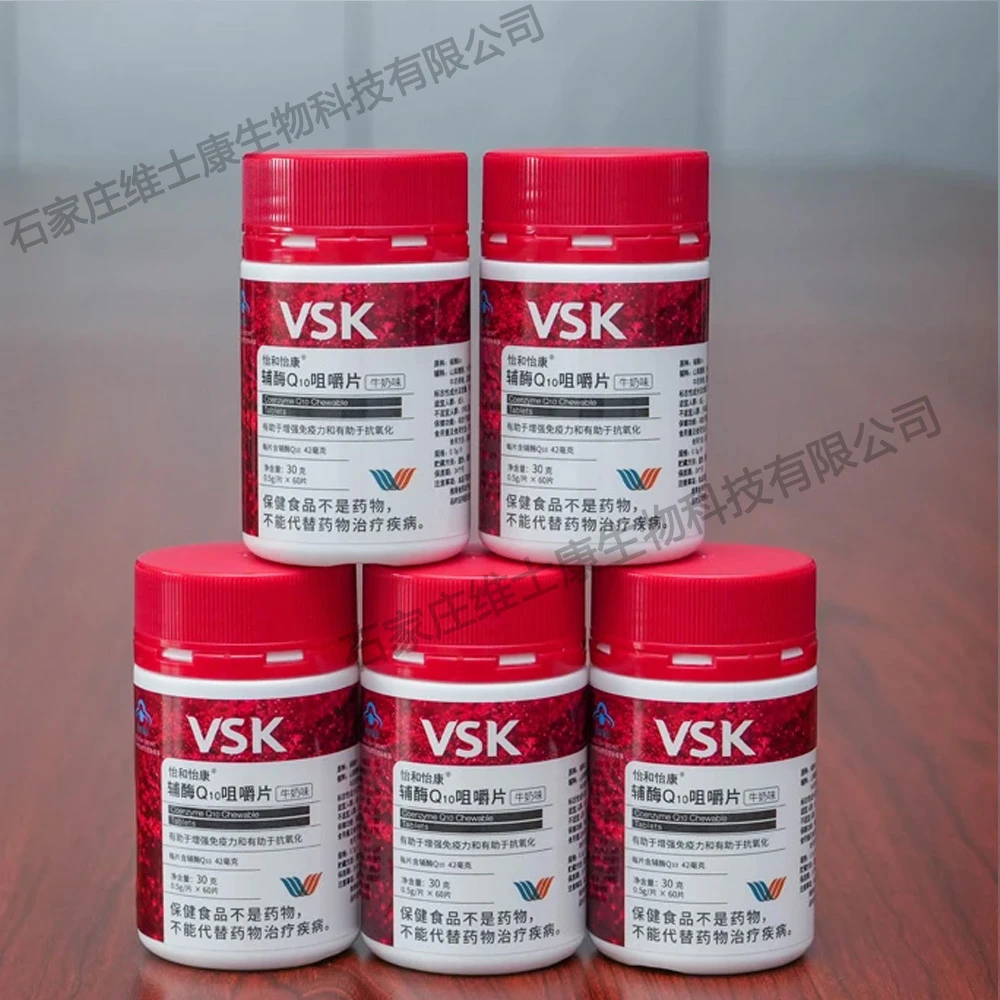
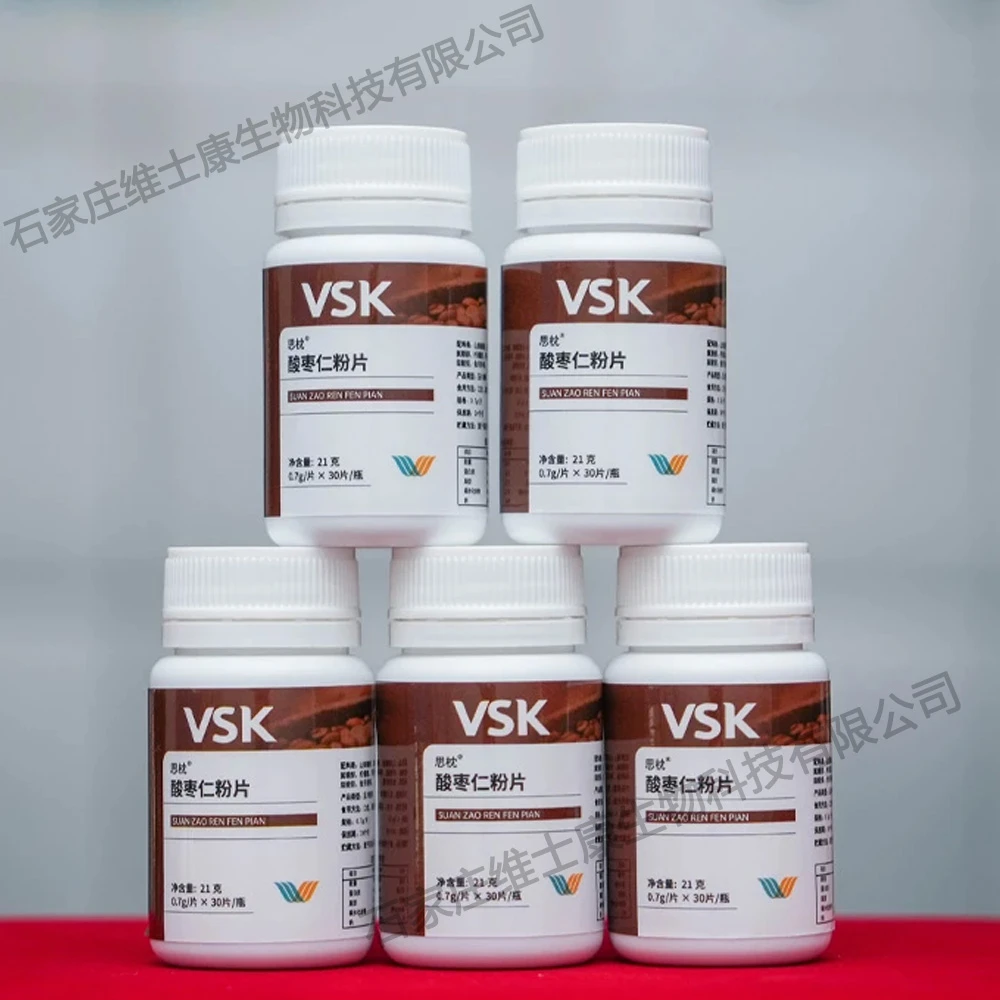
Tablets have mature automated tablet production lines, with continuous mass production of mixing, granulation, drying, tablet pressing, and polishing processes. After the equipment is turned on, the unit production capacity is large, material loss is controllable, and the cost of single piece processing can be achieved in a low range under large-scale OEM conditions. If choosing the basic process of ordinary plain film, there is no need for additional post-processing, and the processing steps are simple; If it is enteric coating, sustained-release coating, or shaped tablet pressing, additional spraying and mold customization processes are required, resulting in a significant increase in processing costs. Shaped tablets also need to be separately molded, and the cost sharing of molds will increase the unit price of small batch orders.
The production of hard capsules is divided into powder mixing, capsule filling, sealing, and polishing processes. Automated filling equipment has strong universality, simple formula replacement and debugging, and no need for customized molds. The flexibility of changing production models is better than that of tablets. However, the capsule filling process has strict requirements for the flowability of the powder. Extract materials with poor flowability require additional flow aids, which slightly increases the process cost. The overall single piece processing cost is slightly higher than that of conventional tablets and lower than that of individually packaged powder products.
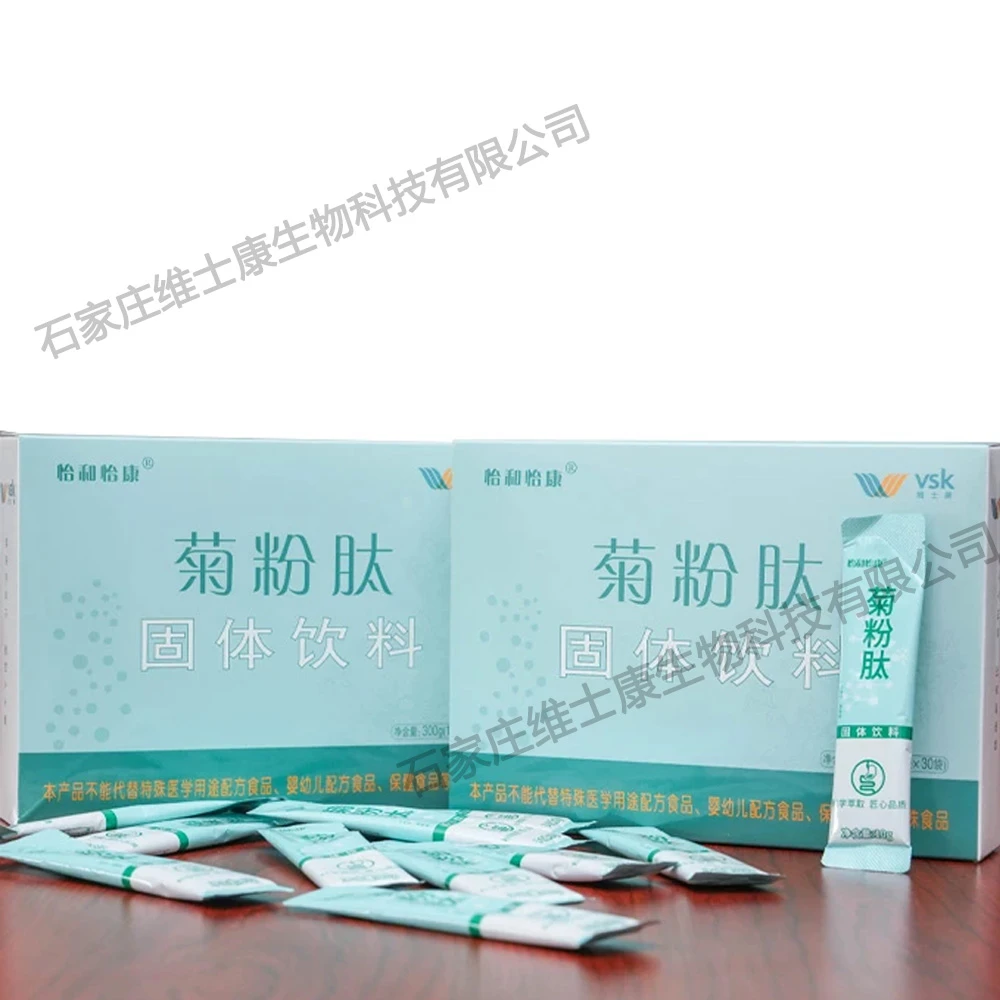
Powder products are divided into two modes: canned powder and independent strip bag powder. Large can powder only requires mixing, canning, and sealing, with processing costs close to tablets; The independent small strip bag powder requires multiple processes including bag making, quantitative filling, three side sealing/four side sealing, coding and cutting. The single processing process is longer, and the equipment operation efficiency is lower than that of the tablet pressing and capsule filling production lines. The energy consumption of labor and equipment is higher, and the cost of single piece processing is significantly increased. At the same time, probiotics and active extract powders need to be produced by low-temperature mixing, and the energy consumption of temperature controlled workshop operation and maintenance further increases processing expenses.
2、 Cost difference between raw materials and auxiliary materials
The main cost of raw materials is determined by the formula raw materials, and auxiliary materials are the key variables that determine the cost of dosage forms.
Tablets require various molding excipients such as binders, disintegrants, lubricants, and fillers, with a higher proportion of excipients added, resulting in higher overall excipient procurement costs. The advantage lies in the fact that tablets can use bulk and low-priced filling carriers, with strong compatibility for diluting high content raw materials, and can flexibly adjust material ratios to balance raw material expenses; If the raw material itself has good viscosity and formability, the dry powder direct pressing process can be directly used to reduce the input of granulation materials and optimize the overall cost of raw materials.
The structure of hard capsule excipients is simple, requiring only a small amount of flow aid to ensure smooth filling. The core consumables are hollow capsule shells, which belong to hard consumables. There is a hierarchical cost difference between gelatin capsules and plant capsules, and the purchase price of plant capsules is higher than that of ordinary gelatin capsules, which is a fixed cost expenditure for capsule dosage forms. The capsule does not require a large amount of molding materials inside, and high-purity functional raw materials can be directly filled, suitable for the production of high concentration functional products, with a higher utilization rate of raw materials.
Powder excipients mainly consist of sweeteners, solubilizing carriers, and anti caking agents. There are few types of excipients, and the raw materials can be almost packaged in their original form. The utilization rate of raw materials is relatively high among the three. The weakness lies in the high moisture absorption of raw materials, which require the addition of anti caking excipients. Active probiotics and peptide raw materials require the addition of moisture-proof protective carriers, and special excipients will increase the expenditure on the raw material side; The input of ordinary meal replacement powder and vitamin powder auxiliary materials is controllable, and the pressure of raw material cost is relatively small.
3、 Differential performance of packaging consumables cost
The packaging cost accounts for about 20% of the total OEM cost, and the adaptability of packaging form directly affects the unit price of consumables.
There are two mainstream packaging options for tablet adaptation: bottled and blister pressure plates. PET plastic bottles and aluminum-plastic blister covers are mature packaging materials for mass production, with high degree of mold generalization and low purchasing price for packaging materials. Bottles can achieve large-scale automatic filling, with minimal packaging material loss and comprehensive packaging cost advantages.
Capsule packaging is also mainly packaged in bottles and blister packs. The blister pack has a higher recognition of individual plastic seals, and the blister mold has strong universality. The overall packaging cost is similar to that of tablets. The bottled packaging materials of the two can be interchangeable, making it easier for factories to purchase and lower the unit price of packaging materials.
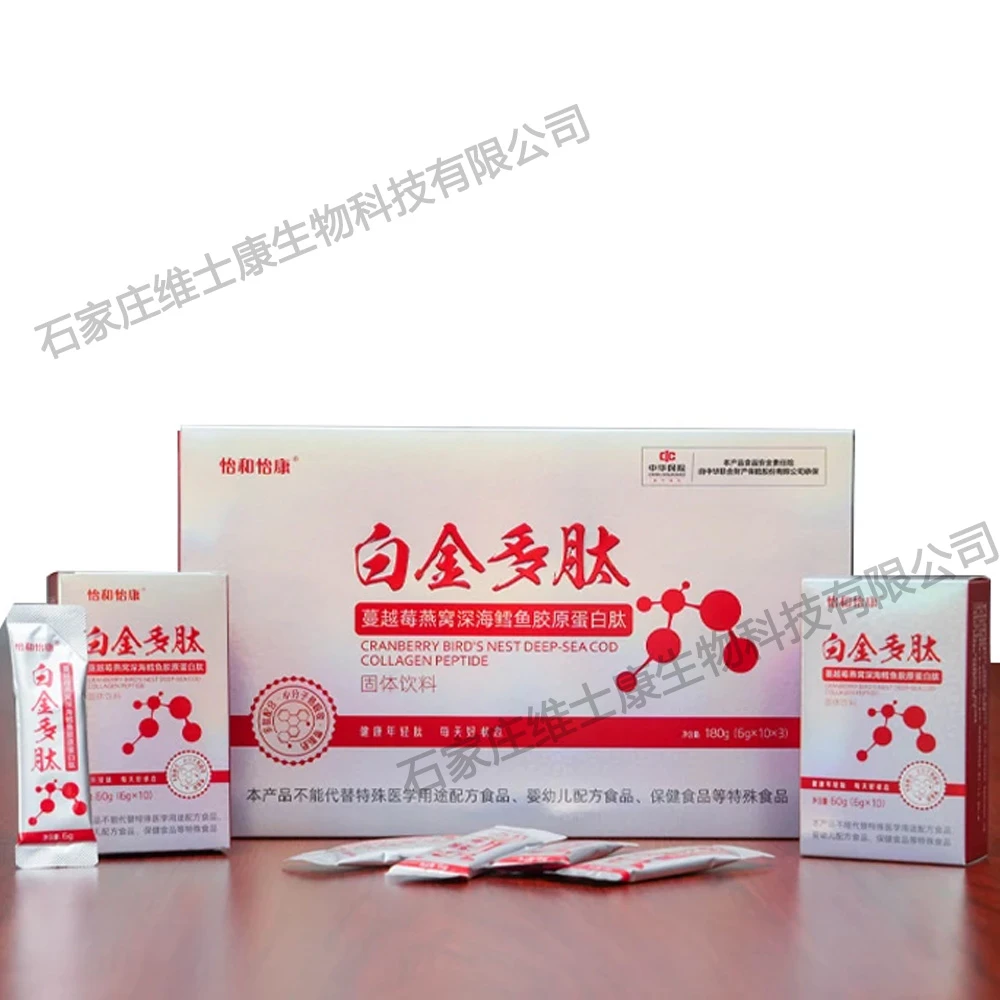
The differentiation of powder packaging is obvious, with the cost of large capacity barrel powder packaging materials being on par with bottled tablets and capsules; The commonly used independent aluminum foil strip bags and three sided sealed bags in e-commerce bestsellers, customized printing, and composite high barrier aluminum foil materials, have a much higher cost of consumables per bag than bottled products. Powder has strict requirements for packaging sealing and moisture resistance, requiring the use of high barrier composite film. Ordinary PE bags cannot meet long-term storage requirements, further increasing the cost of internal packaging consumables. The usage of outer packaging color boxes is also higher than that of bottled dosage forms.
4、 Storage, logistics, and quality control operation and maintenance costs
After tablet molding, the structure is stable, with moderate resistance to pressure and moisture. Conventional room temperature storage is sufficient, and stacking and transportation are not easily damaged. The storage area is compact, and the logistics unit weight density is high, resulting in lower unit logistics costs. The finished product storage loss rate is low, and the long-term stocking and storage costs are controllable.
The hard capsule shell has brittle characteristics, and the storage stacking height is limited. Under heavy pressure, it is easy for capsules to crack and leak powder. The warehouse stacking volume needs to be controlled, and the utilization rate of storage space is slightly lower than that of tablets. Gelatin capsules are prone to softening and adhesion in high temperature environments, and the temperature and humidity control requirements are higher than those of ordinary tablets. Storage operation and maintenance slightly increase expenses.
Powder powder has strong fluidity, and packaging damage can easily lead to material leakage and loss. Independent small bag powder packaging has a fluffy volume, and the storage space for finished products of the same weight is larger. The logistics package volume is larger, and the shipping cost is higher. Active powders require constant temperature storage, and the cost of cold chain storage is much higher than that of solid dosage forms at room temperature. The frequency of powder uniformity testing is higher during finished product sampling, and the cost of batch testing is higher than that of tablets and capsules.
5、 Difference between minimum order quantity and trial order cost
The mass production of tablets relies on compression molds, while conventional circular flat tablets can use universal molds with flexible minimum order quantities; Irregular and shaped tablets require payment for mold customization fees. Small batch OEM orders have high mold amortization costs and are suitable for large-scale orders of over 10000 yuan. It is not recommended to choose irregular tablets for small batch trial orders of start-up brands.
Hard capsules have no mold investment, and the formula can be switched by adjusting the filling parameters. The minimum order threshold is flexible, and small batch OEM and multi formula trial production have strong adaptability. The comprehensive cost pressure of trial orders is low, making it a commonly used dosage form for efficacy products of start-up brands.
The minimum order quantity for large cans of powder is loose, and the independent strip bag powder bag making and machine debugging have high losses. The factory's minimum order quantity is higher than that of bottled tablets and capsules, making it suitable for brands with channel foundation for mass customization. The production cost of individual trial orders is relatively high.
summary
From the perspective of overall production costs, for large-scale circulation products, conventional tablets are preferred, and overall expenses for processing, packaging, and logistics are compressed based on the advantages of mass production; High purity functional and odorous raw material products, using hard capsule formulations, relying on capsule shells to mask odors, simplifying auxiliary material ratios, and balancing cost and product experience; Meal replacement and instant mixing products use powder, large canned powder controls costs, and independent bag powder adapts to the layout of portable products on the line.
When planning OEM branding for health products, brand owners cannot simply compare individual processing costs. Instead, they need to conduct full chain cost accounting based on order volume, channel packaging form, product storage conditions, and formula raw material characteristics, match corresponding dosage forms, achieve production costs that match product market positioning, and optimize the overall OEM project input-output ratio.

Tel:
Email: sales@wsk-sjz.com
Address: No. 6, No.1 Road, Zanhuang County Economic Development Zone Shijiazhuang, Hebei 051230

Public account