all search

Email: sales@wsk-sjz.com
Website:www.wsk-sjz.com
Address: No. 6, No.1 Road, Zanhuang County
Economic Development Zone Shijiazhuang,
Hebei 051230
health foodThe core positioning of "is to supplement specific nutrients and regulate physiological functions", rather than "treat diseases". Its applicable population needs to be comprehensively judged based on "physiological needs, living scenarios, and health conditions", and not everyone is suitable for consumption. The following provides a detailed analysis from three aspects: applicable population classification, taboo population, and core principles:
1、 Core target audience for health food: 4 groups with clear needs
The applicable scenarios of health food revolve around "nutritional supplementation" and "functional regulation", mainly targeting the following four groups of people with clear needs, and need to be selected under professional guidance or scientific judgment:
1. People who require nutritional supplementation during specific physiological stages
This group of people has an increased demand for certain nutrients due to age and physiological changes, making it difficult for their daily diet to meet:
Infants and young children (6 months -3 years old): If breastfeeding or formula feeding is insufficient, "infant formula health foods" (such as drops to supplement vitamin D, iron, and zinc) can be chosen, but strict adherence to the "Infant Formula Food Standards" is necessary to avoid excessive supplementation (such as excessive supplementation of vitamin D, which may lead to poisoning);
Pregnant women: folic acid, calcium, and iron should be supplemented during pregnancy, and protein and vitamin B should be supplemented during lactation. "Pregnant women's specific complex vitamins" or "milk protein powder" can be selected, but the dosage should be determined under the guidance of a doctor (excessive iron supplementation during pregnancy may cause constipation);
Elderly people (over 60 years old): Due to decreased digestive and absorption capacity, they are prone to lack of calcium (to prevent osteoporosis), vitamin B12 (to prevent nerve damage), and dietary fiber (to improve constipation). They can choose "middle-aged and elderly calcium supplements" or "dietary fiber tablets", but they should pay attention to the interaction with medication for underlying diseases (such as avoiding the time of taking antihypertensive drugs for calcium supplementation).
2. People whose lifestyle leads to nutritional imbalance
This group of people, due to their diet, daily routine, and occupational characteristics, have long-term deficiencies in nutrient intake or excessive consumption:
Individuals with imbalanced diets, such as vegetarians (prone to lack of vitamin B12 and protein), dieting and weight loss (prone to lack of carbohydrates and fatty acids), and picky eaters (prone to lack of vitamin C and zinc), can choose "vegetarian specific protein powder" and "multivitamins" accordingly;
High intensity workers/athletes: consuming a lot of physical or mental energy, they need to supplement protein (for muscle repair), vitamin C (for anti fatigue), and coenzyme Q10 (for energy supply). They can choose "sports protein powder" or "energy supplements", but need to avoid excessive amounts (such as excessive protein increasing kidney burden);
People who stay up late/under high pressure: Long term staying up late leads to rapid consumption of B vitamins and increased demand for vitamin C due to high mental stress. You can choose "B vitamin tablets" or "coniferous cherry VC tablets", but it needs to be adjusted according to your daily routine (health foods cannot offset the damage of staying up late to the liver).
3. People with specific health conditions requiring functional regulation
This group of people has a "sub healthy state" or "risk of chronic diseases" and needs to be regulated through health food supplements, but cannot replace drug treatment:
People with weak immunity, such as those in the recovery period after surgery and those who are prone to colds, can choose "probiotics", "Ganoderma spore powder", and "vitamin C+zinc preparations" to assist in enhancing immune function. However, it should be noted that in the acute infection period (such as influenza fever), medical attention should be sought first and health foods should not be relied on;
People with high blood sugar/lipid levels: can choose "dietary fiber supplements", "fish oil (Omega-3)", "bitter melon extract preparations" to assist in regulating metabolism, but must be used under the guidance of a doctor and in conjunction with dietary control and exercise (such as fish oil cannot replace lipid-lowering drugs);
People with joint discomfort: Middle aged and elderly people or long-term exercisers are prone to joint wear and tear, and can choose "chondroitin sulfate" or "chondroitin glucosamine" to assist in repairing joint cartilage. However, it should be noted that patients with severe arthritis need to receive medical treatment first, and health foods are only auxiliary.
4. People who require enhanced protection in special environments
Due to their unique environment, this group of people requires additional supplementation of specific ingredients to cope with environmental impacts
Workers in high radiation environments (such as radiologists and programmers) can choose "spirulina" or "lycopene" to assist in resisting radiation damage to cells;
High temperature/high-altitude environment workers (such as construction workers, high-altitude tour guides): prone to water loss and electrolyte loss, can choose "electrolyte supplements" and "vitamin B supplements" to prevent heatstroke and fatigue;
Long term exposure to chemical substances (such as painters and pesticide sprayers): "Glutathione" and "Vitamin E" can be chosen to assist in reducing the burden of chemical substances on the liver, but occupational protection should be prioritized (such as wearing masks and gloves).
2、 These groups of people are not suitable for consuming health food or require strict taboos
Health food is not universally applicable. The following five groups of people need to be extra cautious before consumption, or even completely unsuitable, otherwise it may pose health risks:
1. Healthy children (under 3 years old): avoid blind supplementation
Healthy children under 3 years old who can obtain sufficient nutrition through breast milk, formula milk, or balanced complementary foods (such as vegetable puree, meat puree, grains) do not need to consume additional health foods:
Excessive supplementation of vitamin A may lead to elevated intracranial pressure (vomiting, headache);
Supplementing protein powder may increase the burden on infant kidney development (incomplete kidney function in children);
If there is indeed a nutritional deficiency (such as iron deficiency anemia), it is necessary to be diagnosed by a doctor first and then choose the corresponding health food. It is not allowed to purchase it by oneself.
2. Acute disease patients: priority treatment, suspension of supplementation
People with acute diseases (such as colds, fever, acute gastroenteritis, pneumonia) who are in a "stress state" and have weakened digestive and absorption functions should prioritize drug treatment and suspend consumption of health foods
Taking probiotics during a cold may worsen diarrhea due to disrupted gut microbiota;
Taking "protein powder" when having a fever may increase the production of heat due to protein metabolism, exacerbating the rise in body temperature.
3. Patients with liver and kidney dysfunction: strict control of ingredient intake
The liver is a metabolic organ, and the kidneys are excretory organs. When consuming health foods for people with liver and kidney dysfunction (such as chronic hepatitis and kidney failure), it is necessary to strictly follow the doctor's guidance and avoid choosing products with complex ingredients or products that require liver and kidney metabolism:
Avoid taking health foods containing ingredients such as "Polygonum multiflorum" and "Sanqi" (which may worsen liver damage);
Avoid taking high protein and high mineral supplements (such as protein powder and calcium tablets), which may increase the burden on kidney excretion;
If supplementation is required, it is necessary to choose a single ingredient product with "low metabolic burden" (such as pure vitamin C tablets), and the dosage should be halved.
4. For individuals allergic to specific ingredients: Avoid allergens
Health food contains a variety of raw materials (such as milk protein, soybeans, pollen, and traditional Chinese medicine). People allergic to these ingredients should strictly avoid corresponding products:
Milk allergy sufferers: avoid consuming "whey protein powder" and "cheese flavored nutrition bars", which may cause rash and diarrhea;
Soybean allergy sufferers: avoid consuming "soy isoflavones" and "soy protein powder", which may cause breathing difficulties;
Chinese herbal medicine allergy sufferers: If allergic to "Ganoderma lucidum" or "Astragalus membranaceus", it is necessary to avoid corresponding health supplements, as severe allergic reactions may endanger life.
5. People taking specific medications: Be alert to interactions
parthealth foodIngredients may interact with drugs, affecting their efficacy or increasing the risk of side effects. This group of people should consult a doctor or pharmacist first:
People taking "warfarin" (anticoagulant): avoid consuming "fish oil" and "vitamin E", which may enhance the anticoagulant effect and increase the risk of bleeding;
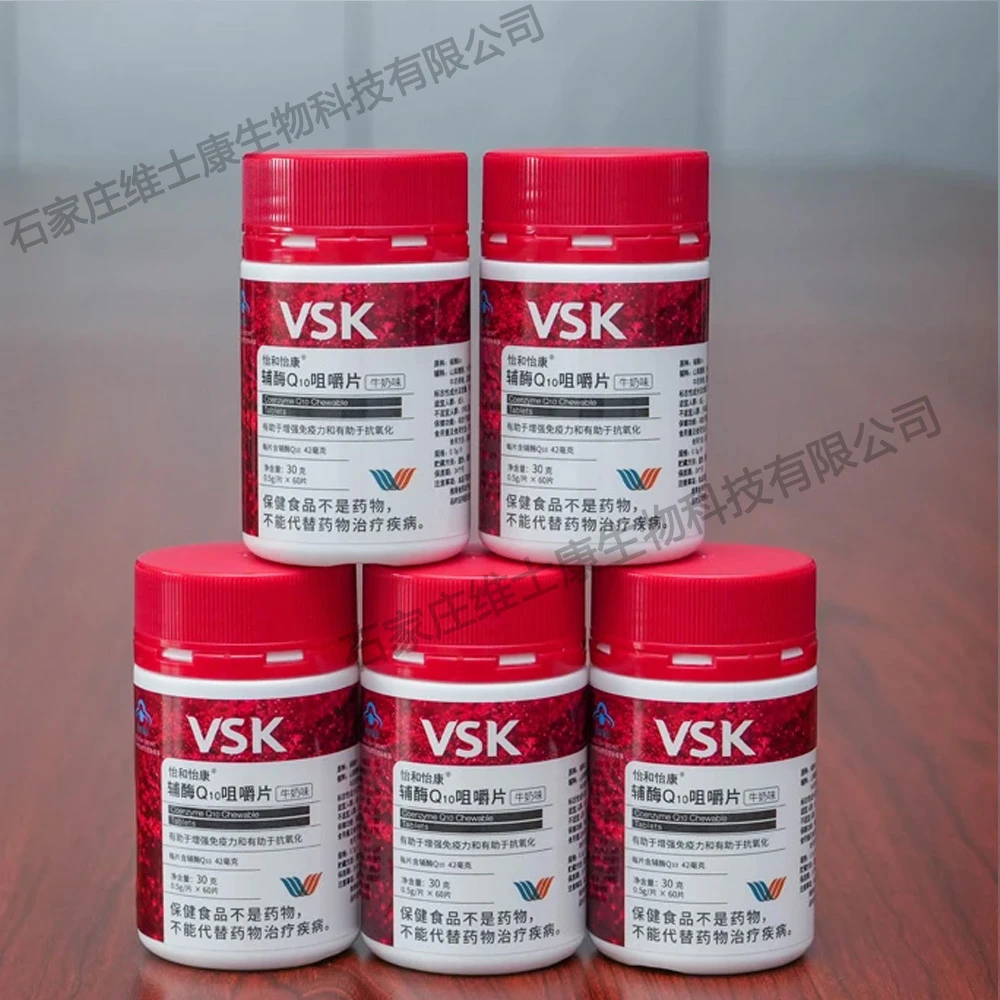
People taking "statin lipid-lowering drugs" (such as simvastatin): avoid consuming "coenzyme Q10" (although studies have shown that it can reduce drug side effects, the dosage needs to be adjusted under the guidance of a doctor);
People taking "blood pressure lowering drugs" and "blood sugar lowering drugs": avoid consuming health supplements such as "ginseng" and "astragalus", which may cause blood pressure/blood sugar fluctuations.
3、 Core principle: 3 points to help you determine whether you need to eat health food
Faced with a dazzling array of health foods, there is no need to blindly follow the trend. You can judge whether you are suitable for consumption through the following three principles to avoid pitfalls:
1. Evaluate the requirements first, then select the product
Prioritize meeting health needs through dietary and lifestyle adjustments:
If protein can be supplemented by eating eggs and milk, there is no need to buy protein powder;
If you can supplement vitamin D by sunbathing and eating dark green vegetables, there is no need to buy vitamin D drops;
Only when the diet cannot meet the needs and there is a clear need (such as calcium supplementation for the elderly or B12 supplementation for vegetarians), should health foods be considered.
2. Look at the "blue hat"+"ingredient list" and reject the "three no products"
When making a selection, two key pieces of information need to be confirmed:
Whether the packaging has the "blue hat" logo (a nationally approved health food label) and the corresponding approval number (authenticity can be checked on the official website of the State Administration for Market Regulation);
Whether the ingredient list is clear, avoid choosing products containing "unknown additives" or "prohibited ingredients" (such as sildenafil and laxative ingredients), and be particularly wary of exaggerated advertising.
3. Special groups must consult professionals
Pregnant women, lactating women, chronic disease patients, children and other special groups should consult a doctor or nutritionist before consumption:
Inform oneself of one's health condition and the medication being taken to avoid ingredient conflicts;
Determine the appropriate dosage and dosage cycle, and avoid long-term overconsumption (such as excessive vitamin C which may lead to kidney stones).
Summary: Health food is a "supplement"
health foodThe core value is to "supplement the deficiency of diet and regulate the imbalance of function", rather than "replace diet" or "treat diseases". The population suitable for consumption should have clear nutritional or functional regulation needs, and should be selected based on scientific judgment; People who are not suitable (such as healthy children, acute illness patients, and allergy sufferers) should avoid blind consumption to avoid risks. Ultimately, a healthy diet, regular schedule, and moderate exercise are the core foundations for maintaining health. Health foods can only be used as "auxiliary means" and cannot be reversed.


Tel:
Email: sales@wsk-sjz.com
Address: No. 6, No.1 Road, Zanhuang County Economic Development Zone Shijiazhuang, Hebei 051230

Public account